My name is Marois Soliman, I am currently in my second year as a Science student at Montmorency College. My field of study is Biology. In this field, we learn about the evolution, the function, the origin, and the composition of a big variety of living beings. I purposely made this glossary to assist people who are in the same field of study as mine or who are willing to integrate it. Indeed, this glossary is a good base to help you understand some terms that are continuously used in Biology.
autotroph
noun
An organism that is able to form nutritional organic substances from simple inorganic substances such as carbon dioxide.
Example: Autotrophs produce their own food, they are sometimes called producers.
en: autotrophe
biome
noun
A large naturally occurring community of flora and fauna occupying a major habitat, e.g. forest or tundra.
Example: Small range size is associated with forest biome, and the few species that inhabit savannah or woodland habitats tend to be more widespread.
en: biome
biosynthesis
noun
The production of complex molecules within living organisms or cells.
Example: It serves as an energy source in muscle contractions, active transport, signal amplification and biosynthesis, amongst a myriad of other energy requiring reactions in the body.
en: biosynthèse
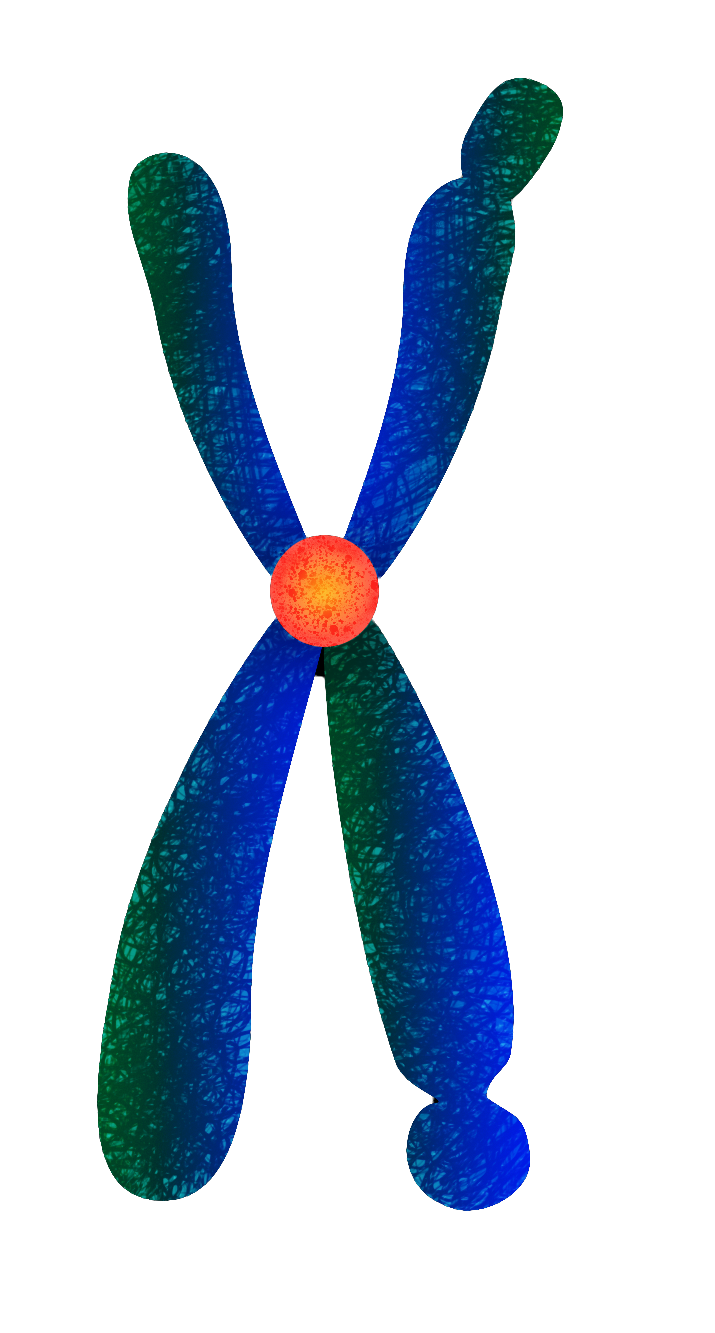
chromosome
noun
A threadlike structure of nucleic acids and protein found in the nucleus of most living cells, carrying genetic information in the form of genes.
Example: Normal eukaryotic cells contain two copies of anyone's chromosome.
en: chromosome
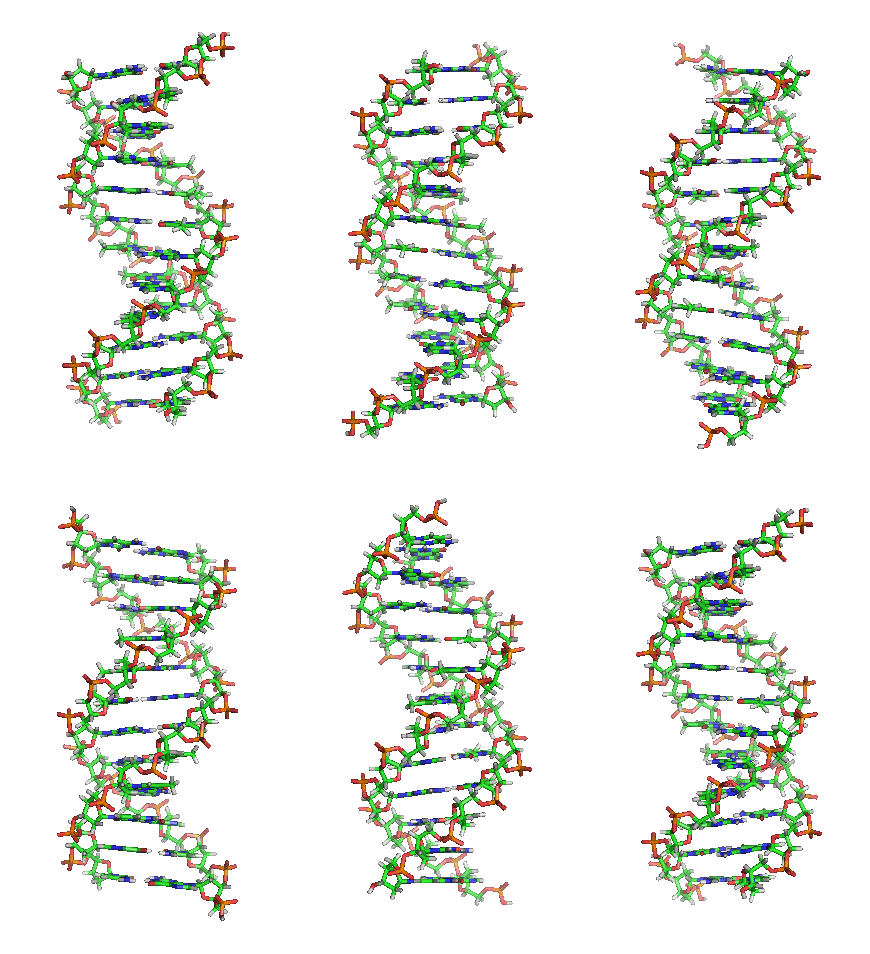
DNA
noun
Deoxyribonucleic acid, a self-replicating material that is present in nearly all living organisms as the main constituent of chromosomes. It is the carrier of genetic information.
Example: Evidence for the theory is relatively strong, particularly the finding that mitochondria and chloroplasts have circular DNA similar in form to that of bacterial DNA, and that they contain prokaryotic type ribosomes.
en: ADN
ecosystem
noun
A biological community of interacting organisms and their physical environment.
Example: Ecosystems can be of different sizes and can be marine, aquatic, or terrestrial.
en: écosystème
embryo
noun
An unborn or unhatched offspring in the process of development, in particular a human offspring during the period from approximately the second to the eighth week after fertilization (after which it is usually termed a fetus).
Example: The embryo contains biotin, which cancels out the effect of the avidin.
en: embryon
enzyme
noun
A substance produced by a living organism that acts as a catalyst to bring about a specific biochemical reaction.
Example: Mitochondria also contain this enzyme which is, again, highly homologous to the bacterial equivalent, however, in mitochondria, it is encoded by nuclear DNA and then must be moved to the mitochondria as previously discussed.
en: enzyme
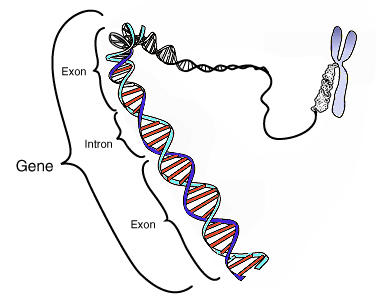
gene
noun
A unit of heredity which is transferred from a parent to offspring and is held to determine some characteristic of the offspring.
Example: Ribosomal RNA gene sequencing and phylogeny techniques can be used to show that mitochondria and chloroplasts are highly related ancestors of specific Bacteria.
en: gène
heterotroph
noun
An organism deriving its nutritional requirements from complex organic substances.
Example: Heterotrophs cannot make their own food, so they must eat or absorb it. For this reason, heterotrophs are also known as consumers.
en: hétérotrophe
hybrid
noun
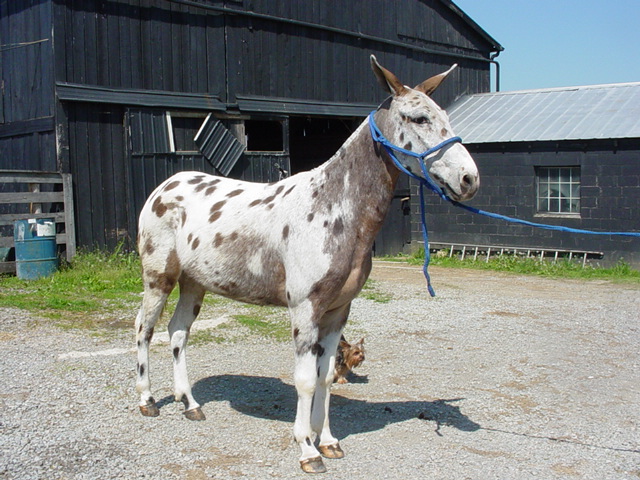
The offspring of two plants or animals of different species or varieties, such as a mule (a hybrid of a donkey and a horse).
Example: Hybrids, once treated as biological misfits, have been the secret saviors of many animal species in trouble.
en: hybride
immunity
noun
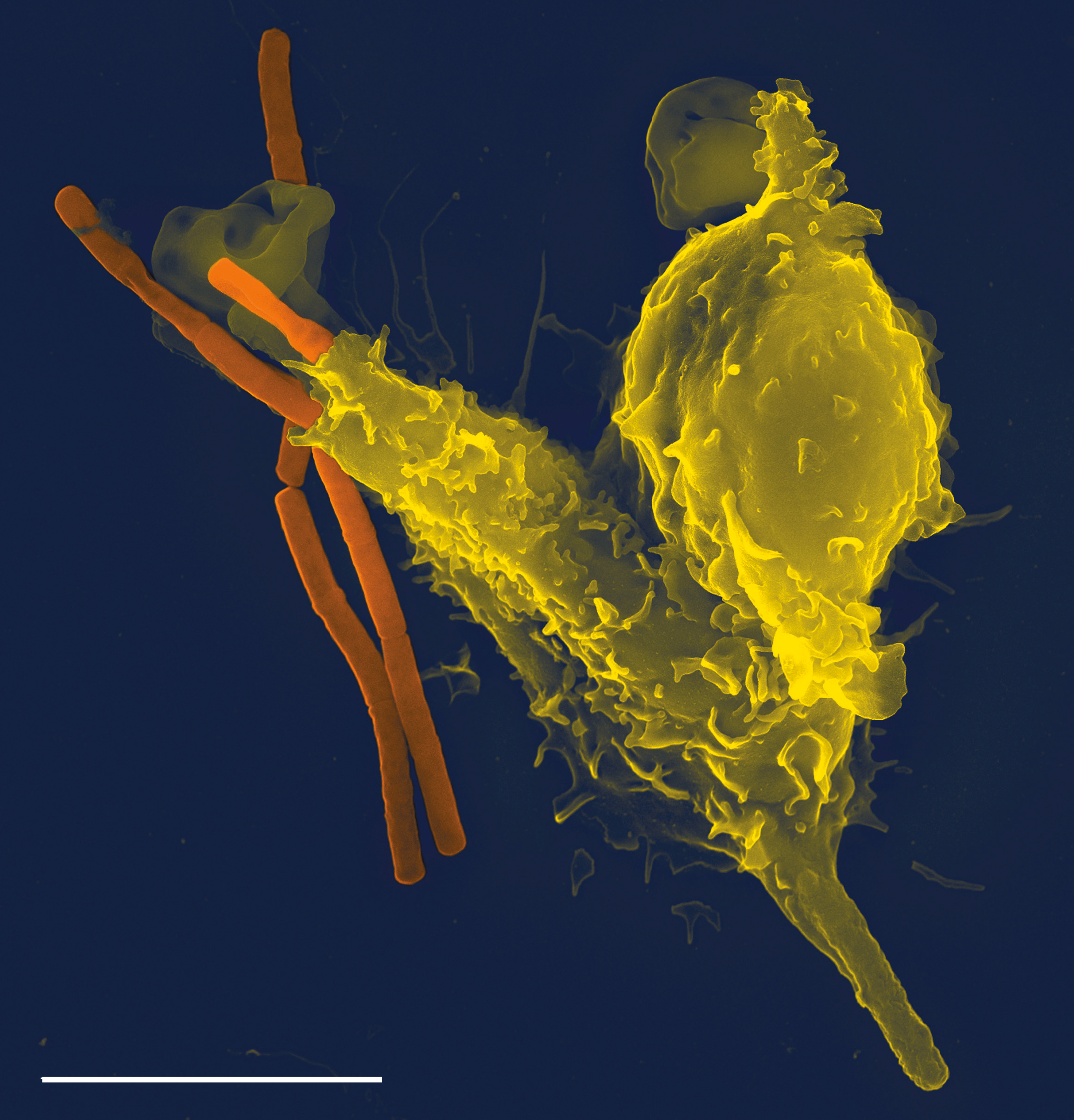
The ability of an organism to resist a particular infection or toxin by the action of specific antibodies or sensitized white blood cells.
Example: Immunity had been acquired because these amoebas contained nearly 40,000 living bacteria which had once infected them.
en: immunité
metabolism
noun
The chemical processes that occur within a living organism in order to maintain life.
Example: The symbiosis began as a result of the products of anaerobic metabolism.
en: métabolisme
natural selection
noun
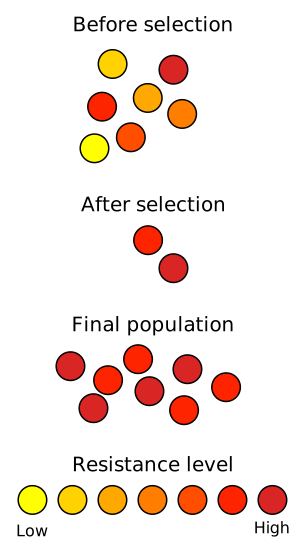
The process whereby organisms better adapted to their environment tend to survive and produce more offspring. The theory of its action was first fully expounded by Charles Darwin and is now believed to be the main process that brings about evolution.
Example: With the use of these chemicals, the weeds can become resistant over time by means of natural selection of survival of the fittest.
en: sélection naturelle
phenotype
noun
The set of observable characteristics of an individual resulting from the interaction of its genotype with the environment.
Example: Co-transduction can therefore be used to introduce the trp- phenotype into strain UWB103.
en: phénotype
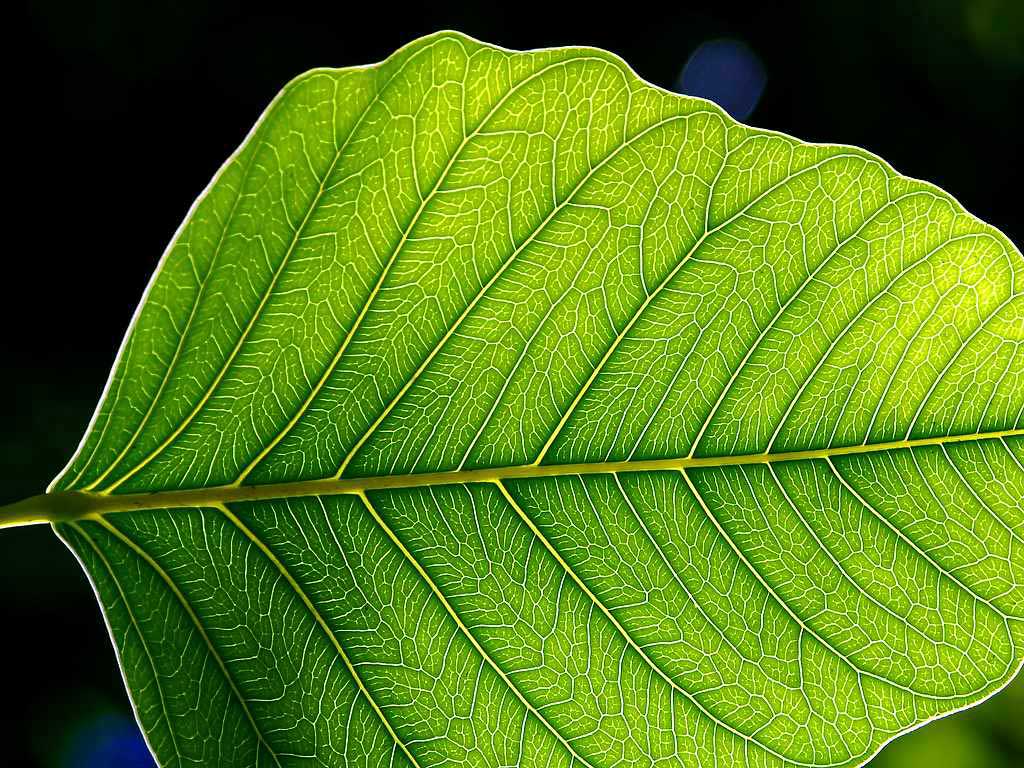
photosynthesis
noun
The process by which green plants and some other organisms use sunlight to synthesize foods from carbon dioxide and water. Photosynthesis in plants generally involves the green pigment chlorophyll and generates oxygen as a byproduct.
Example: Thylakoid membranes contain green pigments (chlorophylls) and other pigments that absorb light, as well as enzymes that generate ATP during photosynthesis.
en: photosynthèse
pollination
noun
The transfer of pollen to a stigma, ovule, flower, or plant to allow fertilization.
Example: The theory suggests that a stable residence was established by aerobic bacteria inside the cytoplasm of a primitive eukaryotic-like cell, providing the cell with energy in return for a protected environment and an easily obtainable source of nutrients.
en: pollinisation
symbiosis
noun
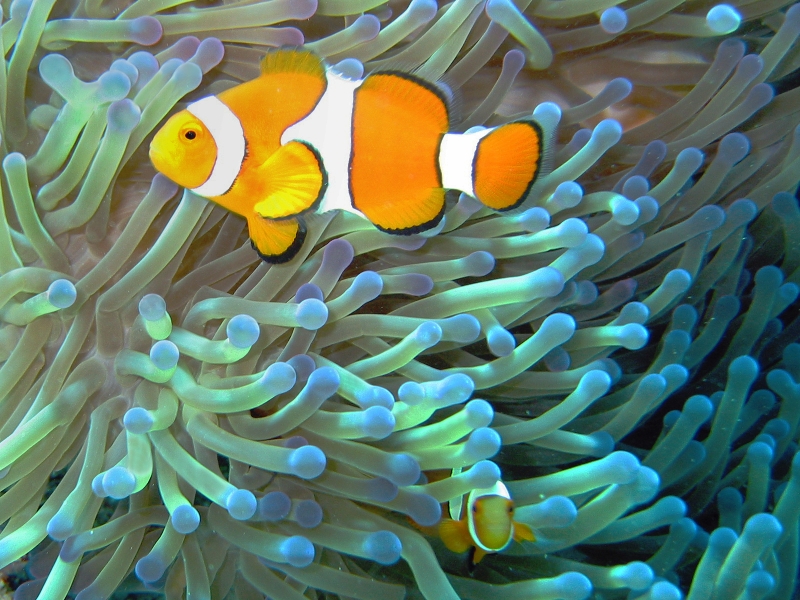
Interaction between two different organisms living in close physical association, typically to the advantage of both.
Example: In symbiotic theories it is thought that certain eukaryotic organelles evolved from prokaryotic organisms, which entered into symbiosis with an ancestor of eukaryotic cells, "the protoeukaryote".
en: symbiose
tissue
noun
Any of the distinct types of material of which animals or plants are made, consisting of specialized cells and their products.
Example: Other than localization of function, Gall did much other work on the brain which is crucial to our understanding of it, namely identifying grey matter in the brain as active tissue and white matter as conducting tissue.
en: tissu
virus
noun
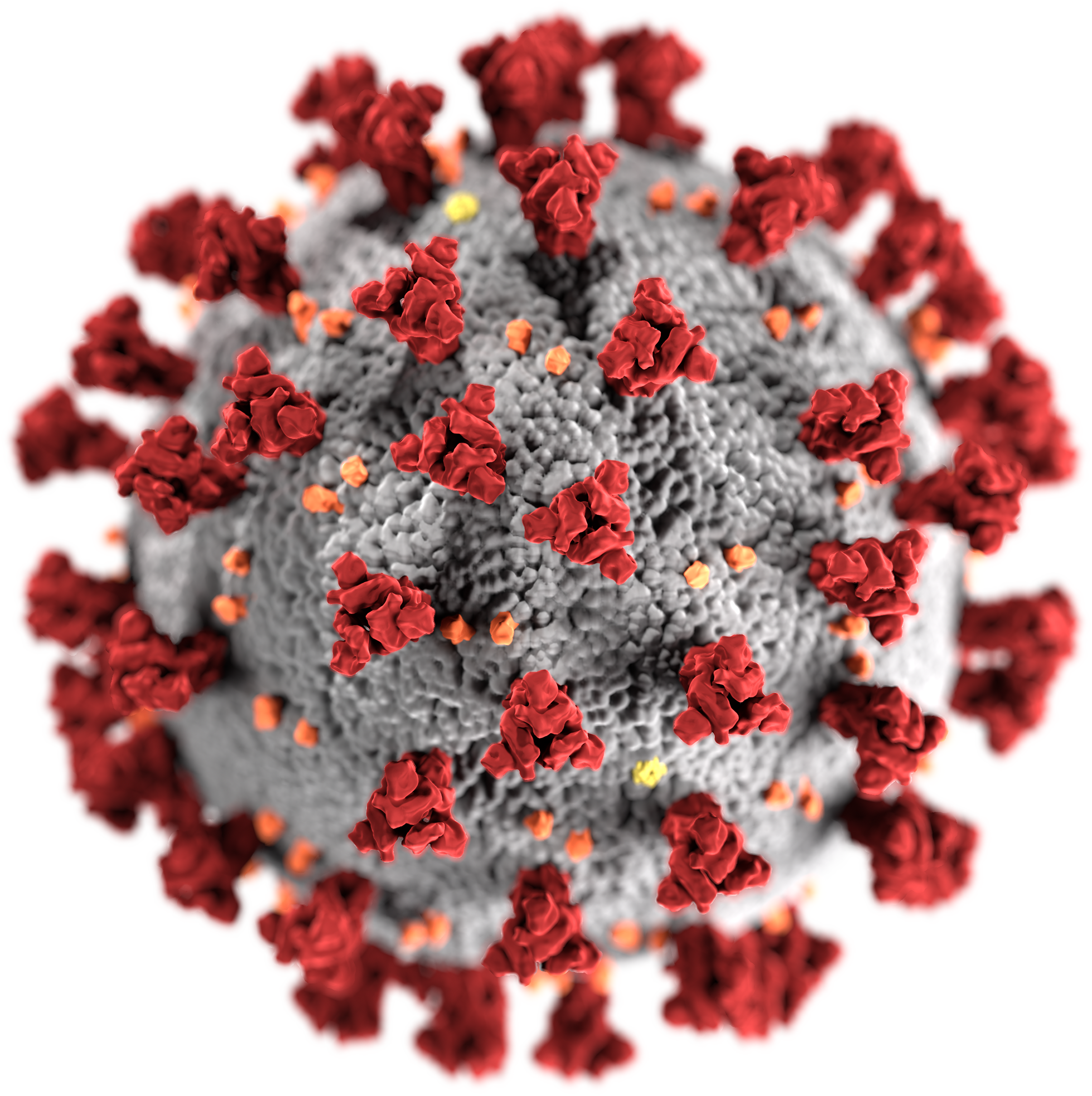
An infective agent that typically consists of a nucleic acid molecule in a protein coat, is too small to be seen by light microscopy, and is able to multiply only within the living cells of a host.
Example: Advice and Prevention If not already immunized, Mr should be informed about receiving the pneumococcal and yearly influenza virus vaccines.